Commercial Waste Removal in Battersea
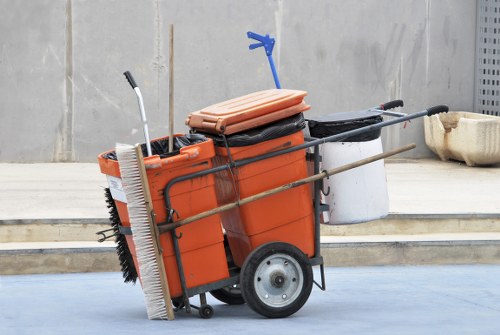
Commercial waste removal in Battersea helps businesses deal with mixed office rubbish, bulky items, and routine clearances in a practical, organised way. From paperwork-heavy workspaces to storage rooms, retail units and managed premises, the main aim is to remove unwanted material with as little disruption as possible while keeping the process clear from the first enquiry through to completion. The service can support one-off clearances, planned disposal and broader business waste removal when premises need a tidy reset.
For many sites, the most useful approach is to match the collection to the type of waste rather than treat every load the same. Furniture, fixtures, appliances, general commercial waste and clean recyclable material all need different handling. That is why a well-planned clearance usually starts with sorting the load, identifying any restricted items and deciding what can be separated for recovery before the removal begins. It keeps the job focused and helps businesses understand what is being taken away.
Use the options below to see how the service can be shaped around offices, shops, storage areas and other commercial premises in Battersea. If you are ready to compare the scope of work, send your details and request a quotation in the ordinary way.
Business waste removal for day-to-day premises
Business waste removal is often the most straightforward option when a premises produces regular unwanted material that is no longer useful on site. That can include paper, packaging, broken office equipment, display items, small fixtures and other mixed non-hazardous waste from normal operations. The practical focus is on removing the load cleanly and leaving the space ready for continued use, whether the business is a single unit or part of a larger managed building. For some organisations, the work is occasional; for others, it forms part of a broader clean-out plan after an internal move, refit or storage review.
Where the waste stream is mixed, a clear description of the material helps the collection team decide how best to handle it. Separation at source can make a notable difference when recyclable items, reusable furniture and general rubbish are all present together. The most useful approach is to identify the main categories first and then allow the removal plan to follow the contents of the site. That is especially helpful when the load includes items that must be treated carefully, such as electrical goods or anything that needs special handling.
Office clearance and workspace reset
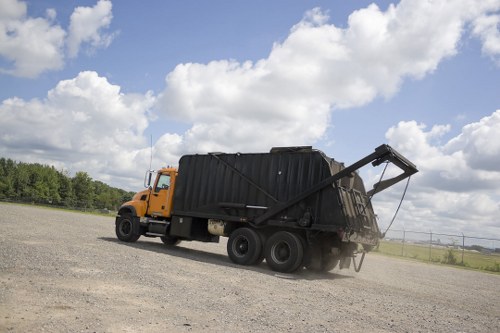
Office clearance work typically involves removing desks, chairs, storage units, filing, screens, fixtures and accumulated office clutter from work areas, meeting rooms and back-of-house spaces. It can be useful during a relocation, a refurbishment, an end-of-lease handover or a general tidy-up when furniture and stored materials are no longer required. The aim is not simply to empty a room, but to leave the workplace in a condition where the next stage of use, repair or reinstatement can begin without avoidable delays.
Our office clearance service is relevant where the contents of a workplace need more than a simple rubbish collection. Some sites contain a combination of reusable furniture, outdated tech and general waste, so the job benefits from careful planning. When items are grouped by type, it becomes easier to decide what can be removed together, what may need separate handling and what should stay until another trade has finished on site. That kind of structure is particularly useful in shared buildings and occupied offices.
For businesses preparing an enquiry, a concise description of the room count, item types and access arrangements is usually enough to start the process. If the workspace is partly occupied, it helps to note which areas can be cleared first and which items must remain in place. Clear instructions reduce confusion and let the removal plan reflect the real layout of the premises rather than a generic assumption about office waste.
Furniture, fixtures and bulky commercial items

Commercial sites often need help with larger items that are awkward to move or no longer suitable for ongoing use. Office chairs, cabinets, tables, reception seating, shelving, shop fittings and worn display units can all take up space long after they have stopped being useful. Furniture clearance is therefore a valuable part of commercial waste removal in Battersea, particularly where the contents of a room need to be reduced quickly without damaging surrounding surfaces or blocking access routes. The work is as much about careful lifting and sorting as it is about taking the items away.
Furniture clearance becomes more effective when the items are listed in a sensible order, starting with the bulkiest pieces and then moving to the smaller fittings. In some cases, furniture can be separated from general rubbish so that each part of the load is handled appropriately. This is especially helpful when a business is replacing its interior scheme, reducing the amount of storage in a unit or clearing furnishings from a back office, staff room or waiting area. The service can be planned around the space available, the lift access and the sequence in which rooms need to be emptied.
Where heavy or awkward pieces are involved, it is worth deciding in advance whether the removal should include only loose furniture or also fixed or semi-fixed items. That distinction keeps the scope realistic and avoids confusion between ordinary clearance work and broader dismantling tasks. A good quotation request is usually built on clear item types, access notes and the desired outcome for the room once the furniture has gone.
Specialist disposal for appliances and fixed waste
Some commercial clearances include items that are not treated as ordinary mixed rubbish. Fridges, freezers, drinks coolers, microwave units and other appliances may need to be removed separately because of their size, weight or construction. The same applies to certain office and site items that do not fit neatly into general waste handling. In those cases, a more specific disposal plan helps ensure the collection remains orderly and that the premises are not left with a half-finished pile of leftover equipment.
Fridge and appliance removal is a useful option when a business is replacing equipment, closing a kitchen area or clearing items from a staff room or storage area. Appliances often need extra care during lifting and transport, particularly where access is tight or the item must be moved through shared corridors. When the load also contains furniture or general waste, it can make sense to organise the disposal in stages so that the appliance element is handled in a controlled way alongside the rest of the clearance.
Price is usually shaped by the type and volume of waste, together with the amount of labour needed to move it safely from the premises. Heavy appliances, awkward access and mixed loads can all affect the scope, so it is sensible to describe those factors clearly when asking for a quotation. A short note about the number of items, the floor level and any restricted access points helps produce a more accurate response.
About Battersea

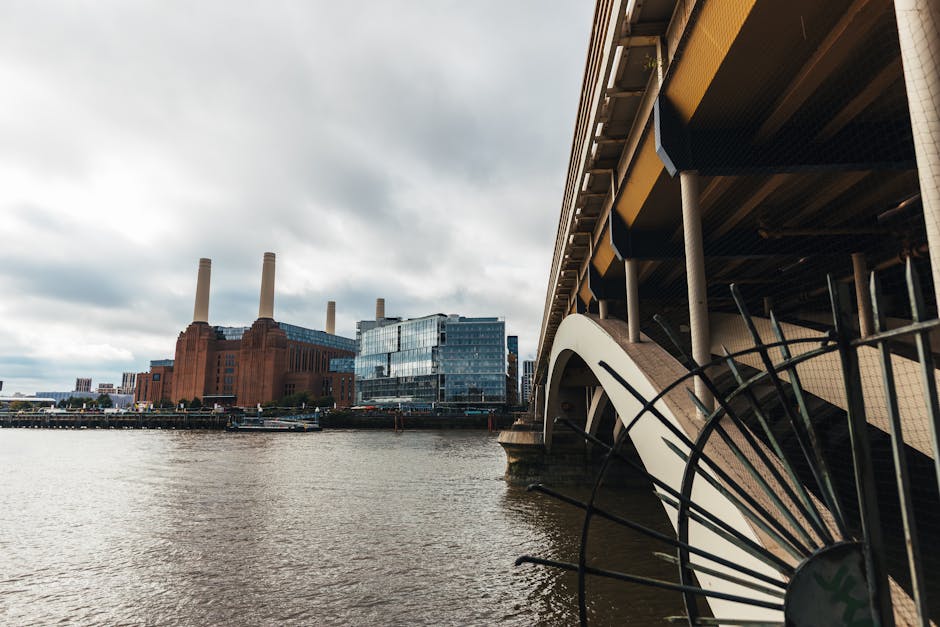
Battersea is a district on the south bank of the Thames in the London Borough of Wandsworth, long shaped by river frontage, industry, transport and later residential redevelopment. Its riverside position has given it a strong connection to the wider movement of goods and people across London, while the area itself has evolved from a landscape of market gardening and heavy industry into a mixed urban district with homes, workplaces, parks and cultural venues. Battersea Park remains one of its most recognisable open spaces, laid out in the nineteenth century and now associated with tree-lined paths, sports facilities and ornamental landscape design. The district is also closely linked with the Grade II* listed Battersea Power Station, whose vast brick structure became one of London’s best-known industrial landmarks and has since been redeveloped as part of a major mixed-use scheme. Nearby, Clapham Junction is one of the busiest rail interchanges in Britain and has influenced the area’s development by connecting Battersea to central London and beyond. Local streets include a range of Victorian and later housing, together with former industrial plots, wharves and redeveloped sites that show how the district has changed over time. Cultural associations are strong too: the former dog track, the riverside routes and the varied housing stock all contribute to a place that combines movement, heritage and contemporary urban life in a compact part of south-west London.
Recycling, recovery and responsible sorting
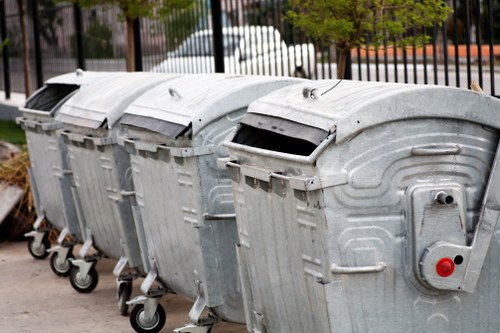
Many commercial waste removal jobs contain more than one material type, so the most practical service is one that understands sorting, reuse and recovery as part of the process. Clean cardboard, office paper, metal shelving, some furniture and selected electrical items may all follow different routes once they leave the premises. That is why responsible handling begins before the vehicle is loaded, with a sensible view of what can be separated and what must remain in the general waste stream. For a business, this usually means less guesswork and a clearer picture of how the clearance will be managed.
Recycling and sustainability information is useful where a business wants to understand the broader handling of collected material. Even without turning the page into a technical guide, it is fair to say that separating waste sensibly can support better use of recoverable material and reduce unnecessary duplication in the clearance process. In commercial settings, that can be particularly relevant when an office or retail space is being refreshed and there is a mix of old fittings, packaging and paper-based waste to remove.
When preparing to request a quotation, keep the description factual and simple: what needs removing, how much there is, where it is located and whether anything requires special handling. If the waste includes confidential papers, bulky furnishings or appliances, mention those items plainly so the service can be scoped properly. Request a quotation today and outline the items you need cleared so the response can be based on the actual work involved.
Clearance for larger commercial and mixed-use spaces
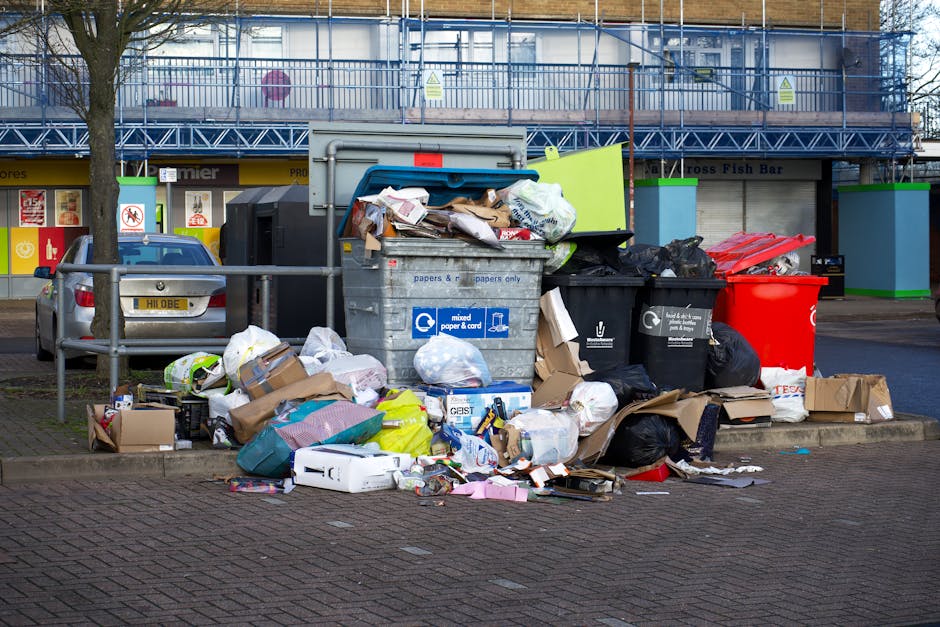
Larger commercial premises often contain several kinds of waste at once, especially where storage rooms, back offices, staff facilities and customer areas all need attention in the same visit. In that situation, waste removal is most effective when it follows the layout of the building and the order in which rooms can be accessed. The service can then deal with a collection of items rather than a single pile, which is often better for premises that need to keep operating while the clearance takes place. That makes it suitable for many occupied sites, not just empty units.
Business waste removal and general waste removal are both relevant when the contents of a property do not fit into one simple category. A load may include office rubbish, discarded stock, broken fittings and non-hazardous debris from a refit or tidy-up. Rather than forcing those items into one narrow description, it is more useful to describe the waste as it appears on site and then plan the collection around that. The work can be tailored to a one-off visit or to a more structured set of clearances if several areas are involved.
If access is limited, explain whether items must pass through narrow stairwells, service corridors or shared entry points. That practical detail often matters more than a general statement about the size of the job. It also helps to identify any waste that should be removed before other trades arrive, particularly where the aim is to leave the premises clean, safe and ready for its next stage of use.
Special items, records and controlled waste
Some commercial clearances involve items that need a more careful approach than general rubbish. Confidential paperwork, obsolete files, broken devices and certain stored materials may all require sensible separation before they leave the premises. In addition, some businesses keep records, supplies or equipment in cupboards and archive areas for longer than expected, which can make a room seem tidy while still leaving a significant amount of waste to sort through. The service therefore needs to be comfortable dealing with mixed materials rather than assuming every item belongs in the same pile.
Confidential shredding can be relevant where a business has sensitive paper records that should not be mixed with ordinary disposal. It is best considered alongside the broader clearance rather than as an afterthought, especially if the site contains files, printouts or storage boxes that are no longer needed. In practice, separating records early helps keep the collection organised and makes it clearer which items are part of the waste load and which are being retained for operational reasons.
Where waste categories overlap, make a note of the most sensitive items first and then list the rest in simple terms. This avoids overcomplicating the request and allows the quotation to reflect the real mixture on site. A concise, accurate description is usually more useful than trying to estimate every object individually.
Pricing, access and quotation details
The cost of commercial waste removal can depend on several practical factors, including volume, weight, loading time, item type and how difficult the site is to access. A ground-floor office with a small quantity of bagged waste is different from a mixed clearance involving furniture, appliances and archive material from several rooms. Some jobs also require more labour because items must be carried through busy corridors, down stairs or past other occupants, so it is sensible to explain the layout clearly at the outset. The purpose is not to complicate the process, but to make the quotation line up with the real work.
When preparing your enquiry, it helps to share a brief list of what needs to go, whether parking or loading access is straightforward and if the clearance has to happen at a particular time. Photographs can be useful when they exist, but a clear written summary is enough to begin. One well-organised request often gives a better result than a vague message followed by several corrections, so it is worth setting out the essentials before asking for a price.
For a straightforward next step, send the main item types, the premises layout and the preferred timing, then ask for a quotation. If you need to compare several areas of the site, separate those notes into a short list so the job can be understood quickly and priced on a sensible basis.
Making the clearance process straightforward
Commercial waste removal works best when the business and the collection team both know what is included and what is not. A clear scope avoids misunderstandings about furniture, appliances, confidential papers or stored items that may still be in use. It also helps where multiple rooms are involved, because the order of clearance can be matched to operational needs rather than handled in a rushed sequence. For many businesses, that is the difference between a simple collection and a disruptive one.
If you are ready to move forward, pricing and quotes is a sensible place to confirm the next stage of your request. The aim is to gather enough information to set expectations clearly and provide a quotation that reflects the actual material on site. When the details are accurate, the rest of the process is usually more direct and easier to plan around ongoing work.
Request a quotation when you are ready, and include a short description of the waste, the access route and any items that need special handling. That final note helps make the response as useful as possible and keeps the commercial waste removal process in Battersea focused on the work that needs doing.