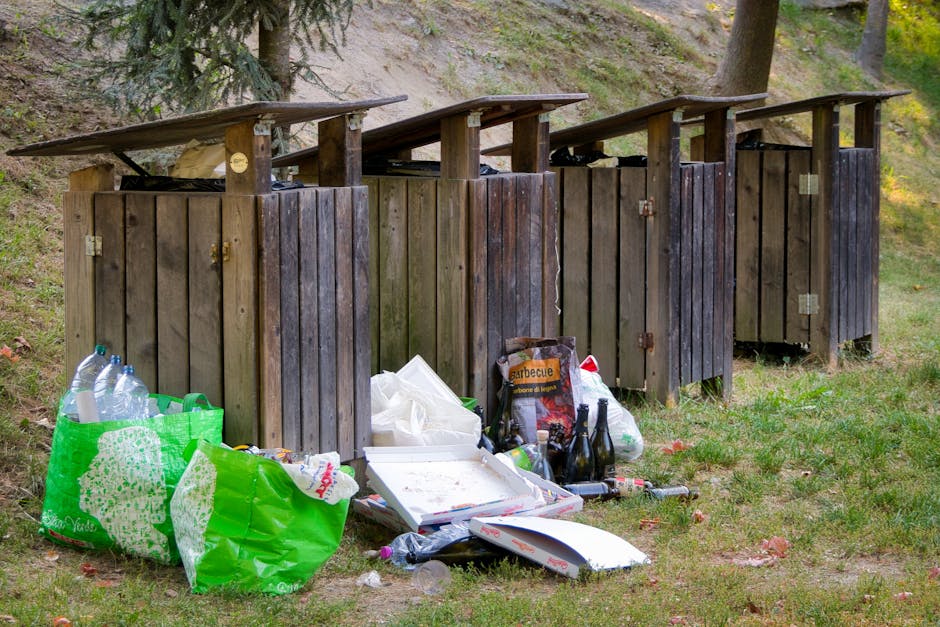
Battersea Park shed clearance rubbish removal guide for residents
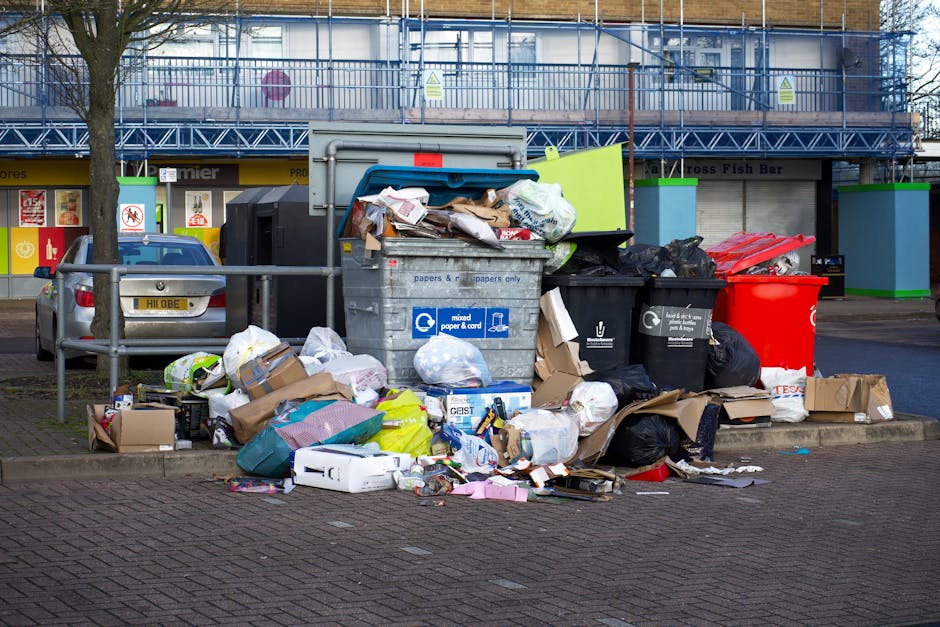
If your shed has quietly turned into a second loft, you are not alone. Old plant pots, half-used paint tins, broken tools, bits of timber, tangled hosepipes, and the odd mystery item have a way of piling up until the door barely opens. This Battersea Park shed clearance rubbish removal guide for residents is here to make the job feel manageable, whether you are clearing a small garden shed, dealing with a post-renovation mess, or just trying to reclaim a bit of space without the weekend turning into a swampy, dusty marathon.
Done well, shed clearance is straightforward. Done badly, it becomes slow, messy, and a bit risky. The trick is knowing what can go, what needs separate handling, how to sort items before collection, and when a professional rubbish removal service is the sensible option. You will also see where related services, such as garden clearance and general waste removal, can help when the contents spread beyond the shed itself.
Below, you will find a practical, resident-focused guide that covers planning, sorting, disposal options, safety, compliance, and a realistic step-by-step approach. No fluff. Just what you need to get the shed cleared properly.
Why Battersea Park shed clearance rubbish removal guide for residents Matters
A shed is meant to be useful. Storage for bikes, garden tools, compost, spare tiles, outdoor furniture cushions, maybe a lawnmower that actually works. But in many Battersea Park homes, sheds become the place where good intentions go to hibernate. One box becomes three, then a leaning stack of junk, then a door that sticks because something heavy is wedged behind it. Sounds familiar?
Clearing a shed matters for more than neatness. Clutter can hide damp, rust, mould, pests, sharp edges, and unstable stacks of heavy items. If you are planning to use the shed for storage again, or convert it into a hobby space, office corner, or just a proper garden store, starting with a clean-out makes everything else easier. It also helps you spot what is actually reusable versus what is simply taking up oxygen.
There is also the practical side. Shed contents are often a mix of general rubbish, recyclable materials, green waste, and awkward household items. If you sort it properly, you can avoid unnecessary trips, reduce disposal costs, and make collection day much smoother. That is especially helpful in a busy London area where access, parking, and timing can be a bit tight. To be fair, nobody wants to drag three separate loads down the path because the first sort was rushed.
Expert summary: The best shed clearances are planned, sorted, and handled in one clean sweep. Decide what stays, what goes, and which items need specialist disposal before you start lifting anything heavy.
How Battersea Park shed clearance rubbish removal guide for residents Works
In practical terms, shed clearance rubbish removal usually follows a simple pattern: sort, separate, load, and dispose. The details matter, though. A shed rarely contains one type of waste. More often, you will find mixed rubbish with odd bits that need special handling, like old paint, broken garden chemicals, batteries, appliances, or timber with fixings attached.
The process usually starts with a clear-out plan. First, move everything out if you can do so safely. Then divide items into piles: keep, donate, recycle, general waste, and specialist disposal. If the shed is packed to the rafters, it often helps to clear the floor first so you can see what is there. The first five minutes can feel messy. After that, it gets surprisingly manageable.
For residents who do not want to handle lifting, sorting, transport, or disposal themselves, a professional rubbish removal team can collect the shed contents, load everything for you, and take the waste for proper processing. That is useful when items are bulky, dirty, or mixed together. It is also a good fit if you need the job done around work, school runs, or a narrow time window.
If your shed clearance overlaps with other areas of the property, such as a garage, loft, or spare room, it can make sense to combine it with garage clearance or loft clearance so the whole job is handled in one visit.
Key Benefits and Practical Advantages
The obvious benefit is space. Once the shed is cleared, you can actually use it properly again. But the less obvious benefits are just as useful.
- Better safety: Less chance of tripping over broken tools, nails, or unstable stacks.
- Easier access: You can find items quickly instead of lifting three boxes to reach one spanner.
- Cleaner storage: Removing damp, rotten, or rusted items helps protect anything you keep.
- Less stress: A clear, defined job feels far less daunting than a vague "we should sort the shed one day" situation.
- Improved recycling: Sorting early means more materials can be separated responsibly.
- Faster project work: If you are repainting, repairing, or replacing the shed, a clear space saves time immediately.
There is also a mental benefit people often underestimate. Clearing out a shed removes a low-level background annoyance. You know the one: every time you open the door, you feel mildly guilty. Once it is done, the garden feels calmer. Simple as that.
Who This Is For and When It Makes Sense
This kind of clearance is for any resident who needs to deal with shed contents in a sensible, efficient way. That includes homeowners, landlords, tenants at the end of a tenancy, families tackling a long-overdue sort-out, and anyone who has inherited a property with a shed full of old odds and ends.
It makes sense when:
- the shed is too full to use safely
- there are bulky or heavy items you cannot lift alone
- you have mixed waste that is hard to separate into normal bins
- you are preparing for repairs, repainting, or replacement
- the contents include garden waste, furniture, or broken household items
- you want the job cleared in a single visit instead of several trips
Residents with limited access or awkward storage layouts usually benefit most from help. Narrow side passages, shared entrances, or tightly packed garden layouts can turn a quick task into a bit of a wrestling match. And let's be honest, nobody enjoys carrying soggy timber through a narrow gap in the rain.
If the shed contains items from a broader household clear-out, you may also want to look at home clearance or house clearance so the collection covers more than just the garden structure.
Step-by-Step Guidance
Here is a practical way to approach shed clearance without making a mess of it.
- Empty a small section first. Start with the items nearest the door or the most accessible shelf. That gives you space to move.
- Sort into categories. Create clear piles for keep, donate, recycle, general rubbish, and hazardous or specialist waste.
- Check for hidden hazards. Look for nails, broken glass, leaking containers, sharp tools, and anything damp or mouldy.
- Separate special items. Paint, solvents, batteries, and appliances should not be thrown in with ordinary rubbish. If you are unsure, treat them cautiously.
- Break down what you can. Flat-pack timber, remove handles, and collapse cardboard where sensible. It saves space and makes loading easier.
- Stage the waste neatly. Put piles in one accessible area so collection is quick and safe.
- Arrange collection or disposal. If you are using a removal service, confirm access, timing, and what needs to be taken away.
- Finish with a proper sweep-out. Clear dust, cobwebs, screws, and debris before putting anything back.
A useful trick: work in two passes. First pass is removal. Second pass is decision-making. If you try to make every choice while standing in a cramped shed holding a rusted planter, you will slow everything down. Been there, seen it, not glamorous.
What to do with common shed items
- Old tools: Keep usable ones, recycle scrap metal where possible, and dispose of broken items responsibly.
- Timber and broken shelving: Often classed as bulky waste or mixed wood, depending on condition and fixings.
- Plant pots and trays: Separate recyclable plastics from cracked, unusable items.
- Garden waste: Green cuttings, soil, and roots are often better handled separately from general rubbish.
- Paint tins and chemicals: These may require specialist handling and should not be mixed with household waste.
- Broken furniture or stored household items: Consider dedicated services such as furniture disposal or furniture clearance if the shed has become a dumping point for old indoor pieces.
Expert Tips for Better Results
Small decisions make a big difference on the day. In our experience, the smoothest clearances happen when residents prepare the shed before the crew arrives and do not leave the sorting until the last minute.
- Photograph the shed first. It helps you remember the layout and spot anything awkward before you start.
- Use three containers, not ten. Too many categories becomes a sorting headache. Keep it simple.
- Handle heavy items early. Move the awkward pieces when you have the most energy.
- Keep sharp tools wrapped or boxed. This protects you, the path, and whoever is loading the waste.
- Leave a clear route. If collection is scheduled, make sure the access path is clear before the team arrives.
- Plan for rain. A wet shed floor is slippery, and cardboard turns into a miserable sponge very quickly.
If you are dealing with mixed garden debris, old fencing, or materials left over from repairs, the job may overlap with builders waste clearance. That is especially common after shed roof repairs, panel replacement, or a small landscaping project.
One more thing: do not underestimate volume. A shed that looks "not too bad" can fill a van faster than you expect once everything comes out. It is one of those little surprises that makes people laugh afterwards. Not during.
Common Mistakes to Avoid
A shed clearance goes wrong in fairly predictable ways. The good news is that most of them are easy to avoid.
- Starting without a sort plan: If you begin lifting without deciding what goes where, you create extra work.
- Mixing hazardous items with general waste: Paint, solvents, oils, and batteries need extra care.
- Forgetting access: A perfectly sorted pile is no help if the collection team cannot reach it.
- Overfilling bins or bags: That makes lifting unsafe and can slow the job down.
- Keeping damp or mouldy items "just in case": In practice, these usually come back to haunt you later.
- Assuming everything is recyclable: Not all plastics, treated timber, or mixed materials can go in recycling streams.
One slightly awkward but common mistake is leaving the final sweep until after the shed is refilled. That means screws, splinters, and dust stay hidden underneath the new tidy pile. It takes five minutes to sweep properly. Worth it.
Tools, Resources and Recommendations
You do not need a shed full of specialist gear, but a few basic tools will make the job easier and safer.
- Heavy-duty gloves: Useful for sharp edges, splinters, and dirty items.
- Sturdy sacks or rubble bags: Better than thin carrier bags that split at the worst moment.
- A broom and dustpan: For the final clean, which really does matter.
- Box cutter or utility knife: Handy for broken straps or collapsed cardboard, used carefully.
- Dust mask: Helpful if the shed is dusty or mouldy.
- Good lighting: A torch or portable lamp makes it easier to spot nails, pests, or damp patches.
For residents who want a broader home tidying project, it can help to combine the shed with garage clearance, house clearance, or even garden clearance. That usually gives you a cleaner overall result and avoids repeated disruption.
You may also find it useful to review recycling and sustainability if you want to make sure reusable materials are handled in a more responsible way. For health, safety, and site practices, the company's health and safety policy and insurance and safety information are sensible places to look before booking any service.
Law, Compliance, Standards, or Best Practice
For residents, the main point is simple: waste should be handled carefully, not dumped casually. In the UK, household waste still needs to be managed responsibly, and certain items such as hazardous materials need special attention. You do not need to become a compliance expert overnight, but you should understand the basics.
Best practice means:
- sorting waste so recyclable and non-recyclable materials are not mixed unnecessarily
- keeping hazardous items separate from ordinary rubbish
- using a responsible carrier or disposal route for collected waste
- making sure the waste transfer process is clear and documented where appropriate
- avoiding fly-tipping or leaving material where it might cause nuisance or danger
If your shed contains electricals, refrigerating appliances, or items with gas or coolant, they need more care than standard junk. A specialist service such as fridge and appliance removal may be more appropriate than lumping everything together. Likewise, any suspect liquids or containers should be treated with caution and may need hazardous waste disposal.
Truth be told, most problems in this area come from haste rather than bad intent. The safest approach is boring but effective: separate, label if needed, and ask before disposing of anything uncertain.
Options, Methods, or Comparison Table
There is more than one way to clear a shed. The right option depends on the amount of waste, the type of materials, and how much lifting you want to do yourself.
| Method | Best for | Pros | Watch out for |
|---|---|---|---|
| DIY tip run | Small, light, sortable loads | Flexible, simple for minor clear-outs | Multiple trips, lifting, access, and time |
| Skip hire | Larger volumes and ongoing projects | Good for extended work and repeated fills | Space, permit considerations, and sorting limits |
| Man and van rubbish removal | Mixed shed contents and bulky items | Fast collection, loading included, less lifting for you | Need to sort hazardous items separately |
| Combined clearance | Shed plus garden, garage, or home clutter | Efficient and often easier to coordinate | Requires a clearer brief at booking stage |
For many Battersea Park residents, a combined collection is the sweet spot. If the shed is packed with garden waste, old patio items, and leftover household clutter, it is often easier to arrange one well-planned visit than several piecemeal ones. That said, if you only have a few sacks and a broken shelf, a simple self-managed disposal route might be perfectly fine.
If you are comparing options, you may also want to review pricing and quotes and the company's terms and conditions so you understand how the service is structured before you book.
Case Study or Real-World Example
Here is a realistic scenario. A resident near Battersea Park has a small timber shed behind the garden. Over a few years, it becomes the landing place for broken canes, old flowerpots, a warped shelf, a bag of half-used compost, some offcuts from a DIY project, and a box of rusty hand tools. Nothing dramatic. Just clutter.
On the morning of the clearance, they start by taking out anything still usable. A pair of secateurs goes back into the house. Three pots are kept. The rest is sorted into general rubbish, scrap metal, green waste, and a small pile of questionable containers that need checking. The floor gets swept before collection so the new storage space is clean from day one.
The real win is not just that the shed looks better. It now functions properly again. The resident can store bikes safely, reach the compost without knocking into a stack of junk, and open the door without that grinding little pause where it used to catch. Small thing, big relief. That is usually what good clearance feels like.
If the shed contents had included office paperwork or business materials rather than domestic clutter, a relevant route would have been confidential shredding or business waste removal. Different waste, different handling. Simple distinction, but an important one.
Practical Checklist
Use this checklist before collection day. It keeps things calmer and saves last-minute scrambling.
- Decide what stays in the shed and what must go.
- Separate general waste from recyclable materials.
- Remove hazardous or uncertain items and set them aside safely.
- Break down bulky items where possible.
- Bundle sharp or awkward objects securely.
- Clear a safe path from the shed to the collection point.
- Check whether any items need specialist disposal.
- Keep doors, gates, and access points unlocked as needed.
- Sweep the shed once the waste is removed.
- Store only what you genuinely want to keep.
Quick sanity check: if you would not want to lift it twice, sort it once. That little rule saves a lot of frustration.
Get a free quote today and see how much you can save.
Conclusion
A shed clearance does not need to be a huge ordeal. With a bit of planning, a sensible sort, and the right disposal route, you can turn a cramped, dusty corner into a genuinely useful part of your home again. For Battersea Park residents, the smartest approach is usually the one that matches the real mix of waste you have, not the one that looks easiest at first glance.
Start small, keep the categories simple, and do not leave awkward or hazardous items mixed in with everyday rubbish. If the job is larger than it first appears, or if access and lifting are getting in the way, professional help can save time and reduce stress. Sometimes the sensible choice is also the easiest one. Fancy that.
Most of all, do not let a half-finished shed become another quiet source of clutter. Clear it properly, and the whole garden tends to feel lighter afterwards.
Frequently Asked Questions
What is the easiest way to clear a shed full of rubbish?
The easiest method is to sort items into a few simple groups first: keep, recycle, general waste, and specialist disposal. Once that is done, removal becomes much quicker and safer.
Can I put old paint tins in with shed rubbish?
Not usually. Old paint, solvents, oils, and similar materials should be treated carefully and kept separate from normal waste. If you are unsure, set them aside until you know the correct disposal route.
What should I do with broken tools and rusty metal items?
Usable tools can be kept or donated, while broken metal items are often suitable for scrap or mixed waste collection depending on condition. Keep sharp edges covered or boxed for safety.
Do I need a skip for a small shed clearance?
Not always. For a modest amount of mixed shed waste, a rubbish removal collection can be more practical because the loading is done for you. A skip can make sense for bigger, ongoing projects.
How do I know if something from the shed is hazardous waste?
Look for anything that could leak, burn, corrode, or contaminate other waste, such as chemicals, fuels, batteries, and certain appliance parts. If it seems questionable, keep it separate until identified.
Can shed clearance be combined with garden waste removal?
Yes, and it often works well. If your shed contains green waste, old pots, broken edging, or other outdoor clutter, combining it with garden clearance can make the whole job smoother.
What if the shed contents include a fridge or appliance?
Appliances should be handled separately from ordinary rubbish. Refrigerating items and larger electricals may need specialist collection, such as fridge and appliance removal.
How long does a typical shed clearance take?
It depends on the size of the shed, how full it is, and whether the waste is already sorted. A tidy, well-prepared shed is far quicker than a packed one with mixed materials and no clear access route.
Can I leave shed waste on the pavement for collection?
No, not unless it is part of an arranged collection with a provider who has confirmed the setup. Leaving waste out casually can create a hazard and may count as improper disposal.
What if the shed also contains documents or paperwork?
Paper records should be kept separate from general rubbish if they contain personal or business information. In those cases, confidential shredding is the safer option.
Is it worth clearing the shed before getting it repaired or replaced?
Absolutely. A clear shed is easier to repair, repaint, re-roof, or replace. It also helps you spot damp, rot, or structural issues that would otherwise be hidden behind clutter.
How do I choose a reliable rubbish removal service?
Look for clear pricing, sensible safety practices, and good guidance on what can and cannot be taken. It also helps to review the company's about us, insurance and safety, and book online pages so you know what to expect before arranging a visit.
What is the best final step after the waste is removed?
Sweep the shed thoroughly, check for damp or damage, and only put back items you genuinely use. That final reset makes it far less likely the clutter will creep back in. A clean start tends to stay clean longer.